The Best Restaurants in Lower Austria
Introduction
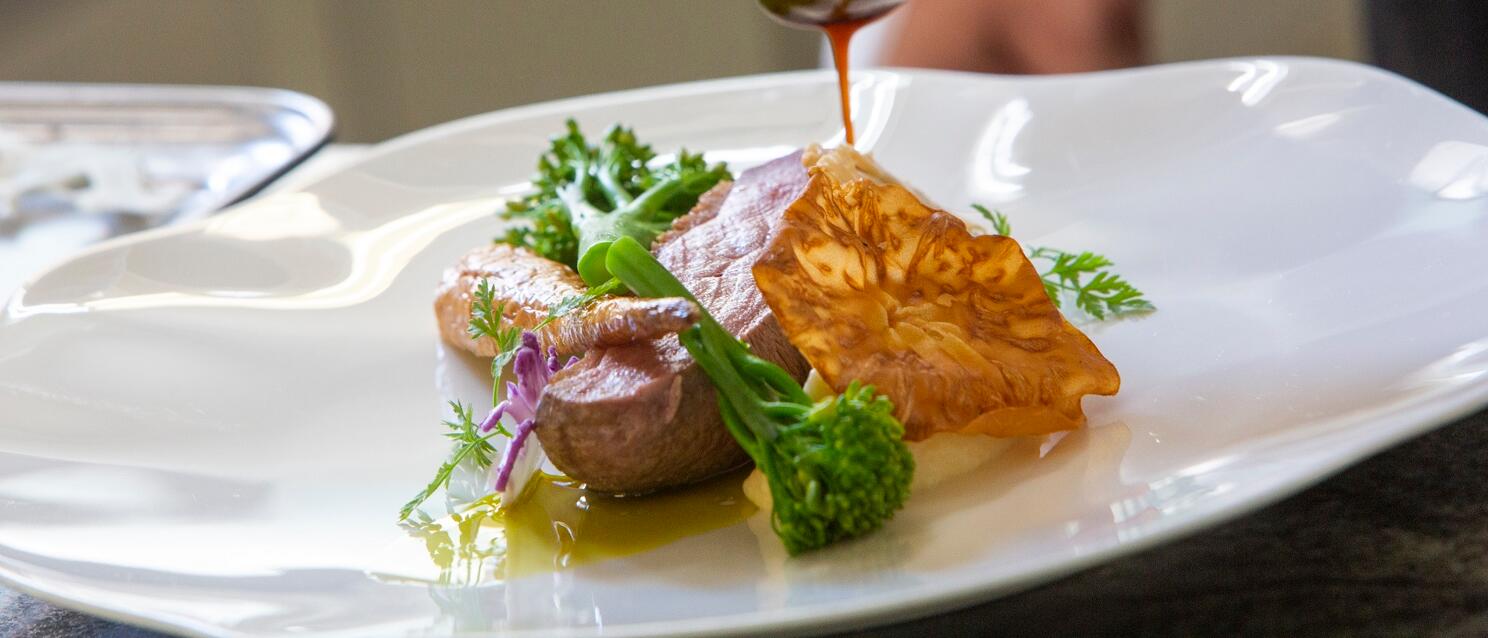
Contemporary yet grounded, with a dash of experimentation: Haute cuisine in Lower Austria is as impressive as it is delicious—from the Waldviertel to the Weinviertel, from the Wachau to the Vienna Woods. Often, the true stars of the dishes are the rare, top-quality ingredients sourced from the region, alongside the creative chefs who bring them to life.
Lower Austria's diversity is reflected not only in its culinary offerings but also in its stunning landscapes. This region has it all—ranging from alpine heights to lowland plains, from dry grasslands to the lush Danube wetlands. The views of the Danube River are particularly captivating from many locations. It’s a true delight that some of the finest dining spots are found right on the water's edge, while others are beautifully nestled in nature—perfect for a breath of fresh air!
The traditional Lower Austrian inn, or Wirtshaus, is a cultural treasure. Here, everything comes together: warm hospitality, characterful hosts, and exceptional regional dishes that are honest and unpretentious—from crispy roast pork to Marchfeld asparagus, and the famous Wachau apricot dumplings. Below is a selection of the best places to unwind and enjoy these culinary delights.
Michelin-starred restaurants in Lower Austria
Landhaus Bacher in Mautern in the Wachau, well known far beyond the borders of the region, has a long culinary tradition. Head chef Thomas Dorfer continues this legacy in a contemporary way, with a huge dose of creativity and lightness. All dishes can also be ordered individually.
In the mood for a touch of luxury? Toni Mörwald serves contemporary Austrian cuisine at the highest level at Toni M. in Feuersbrunn. His cooking is based on excellent products and follows a classic style, with occasional Mediterranean influences or Asian accents.
A feel-good place (literally) is Esslokal with an open kitchen in Hadersdorf am Kamp near Krems. Owner and head chef Roland Huber masters the art of transforming regional ingredients into “feel-good dishes” with the help of Far Eastern aromas. These dishes can be ordered à la carte or combined into menus of three to six courses.
The Michelin Guide awards restaurants in different categories: Michelin stars for exceptional cuisine, the Bib Gourmand for particularly good food at fair prices, and selected restaurants for establishments that stand out for their quality and style.
Restaurants with special views in Lower Austria
From the Hotel Schachner in Maria Taferl, you can gaze out over the foothills of the Alps, while enjoying dishes crafted with artisanal precision.
The cuisine at Gut Oberstockstall is a celebration of seasonal flavours, complemented by biodynamic wines - and all set in a picturesque environment that exudes a keen sense of design and aesthetics.
resh fish from the hotel's own lake is served at the Fischerwirt in Ernsthofen, where it’s presented in a picturesque garden setting.
“Waldviertel, seasoned with the world,” is the motto at the contemporary and stylish Kolm, where the expansive windows create a sensation of dining amidst nature. Time and again, Michael Kolm surprises diners here with creations that also showcase exotic influences.
At Hotel-Restaurant Schloss Dürnstein, head chef Nadine Stangl, presents “fresh, boldly creative dishes,” all with an unbeatable view of the Danube.
You can also enjoy a postcard-perfect view of the mighty river from the Süddeck in Tulln, where regional dishes are interpreted with a Mediterranean twist in a relaxed atmosphere from morning until night.
The Haslauerhof is famous for its grand view over the Danube wetlands, although the high-quality, internationally influenced Wirtshaus cuisine might steal the spotlight.
At the Restaurant am Tulbingerkogel, a lovely terrace overlooking the greenery is the perfect setting to savour fresh, refined cuisine.
Traditional restaurants and inns in Lower Austria
At restaurant Zur Palme in the Mostviertel, Theresia Palmetzhofer, named Female Chef of the Year 2023, masterfully enhances the natural treasures of the surrounding area, ranging from alpine fish and beef to Dirndln (Cornelian cherries).
Innovation is also key at Der Floh in Langenlebarn on the Danube, where minimalistic dishes made from rare ingredients sourced within a 66 km radius ("Radius 66") are served in his village inn and idyllic "Donaugartl."
Innovation and creativity also shine at Triad in the Bucklige Welt, where Uwe Machreich surprises diners with seasonal and regional menus, featuring ingredients sourced from his own vegetable garden.
The motto at Gasthaus Nährer near St. Pölten is "Honour the old, nourish the new." Mike Nährer works “from nose to tail” and sometimes a little experimentally — in the newly built restaurant, which is well worth seeing.
The renowned "Essl-Backhendl" and other traditional and contemporary seasonal dishes are highlights at Landgasthaus Essl, where diners also enjoy views of the Danube.
Gasthof Prankl in Spitz in the Wachau region serves meat, fish, vegetarian, and vegan dishes—primarily using local ingredients, many of them from its own cultivation.
Stefan Hueber’s "Wirtshausküche 2.0" at Hueber der Wirt offers clever, innovative dishes based on traditional, regional ingredients.
The Landgasthaus Winkelhofer in the Weinviertel region uses many ingredients from its own farm. Their dishes are creative and down-to-earth at the same time.
At Gasthof Buchinger in the Waldviertel, you can enjoy “true, simple, and natural cuisine,” with exemplary collaboration with local suppliers.
The Franz Joseph Wirtshaus scores with a modern aesthetic and a menu that combines traditional classics with bold new creations.
Located in the picturesque Wienerwald forest, the newly renovated Stockerwirt strikes a harmonious balance between tradition and modernity, complemented by an impressive wine selection.
The Alte Backhaus in Wiener Neustadt uses only the finest ingredients from selected local producers for its dishes.
Follow the green sign and experience Lower Austria’s culinary scene: from rustic village inns to award-winning restaurants. Here, living tradition, culinary enjoyment, and conviviality come together.